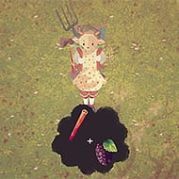








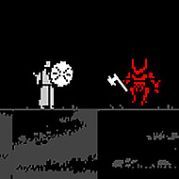
You pay a little too much for a squire at the Shop, mostly because another player at the table wanted him too, and by the time the next Battle starts that squire is the only thing holding your line together against a rival company’s flank. Small, slightly petty bargains like that are the heart of Goodly Trials, and they explain why the game feels like a tabletop campaign that keeps rearranging itself around you.
| Genre | Turn-based strategy with roguelite and auto-battler elements |
| Modes | Single-player journey, ranked ladder, multiplayer for 2 to 8 players |
| Run Length | Twelve weeks in the single-player journey |
| Core Loop | Shop, Equip, Set Formation, Battle |
| Roster | More than 60 playable units across several factions |
| Difficulty | Three settings when playing alone |
Every journey begins with choosing a leader, and from there the game settles into one repeating rhythm: Shop, Equip, Set Formation, Battle, then back to the Shop. You hire from a peculiar mix of knights, sell-swords, merchants and wizards, hand them gear, line them up, and then step back, because the fight plays out as an auto-battler. That means every decision that matters happens before a single blow lands. The player who prepares well beats the player who simply reacts quickly.
Units and gear come with innate attributes and rolled traits, so two hires that look identical on the shelf can behave very differently once the fight starts. An otherwise ordinary hire can become the hinge on which the whole company turns, and that is the moment players tend to talk about afterwards. Beginners usually chase the biggest numbers and skip reading what a rolled trait actually does to the line.
The roguelite side lives in the structure of a run. You need to survive twelve weeks, and attempting harder trials unlocks new leaders and gear, so even a lost run feeds your roster. Roguelite regulars will settle into that rhythm quickly, while players arriving from pure tactics games may need a few runs before a defeat stops feeling like a personal failure.
Early in a run the skirmishes are small, but as the field and your company grow they become full formations, and that is where the tactical layer shows up. Four things keep coming up when players dissect a lost fight:
Tabletop fans will recognise the pleasure of reading an opposing line and answering it with a shape of your own. The auto-battle does not take that away. It simply moves all the thinking into the minute before the Battle begins.
A frequent trap is treating the company as a pile of stats rather than a shape. A strong unit in the wrong slot can do less than a modest one standing where its range and neighbours actually help. Defeating bosses is what opens up Ranked modes, so those fights are where sloppy formation habits cost you the most.
Your leader is the one unit you cannot afford to lose, which is why the choice at the start of a journey shapes everything you hire afterwards. A leader that favours a certain kind of unit pulls your Shop decisions in a direction long before you have seen a single bargain. Trusting your leader to survive the road home is the premise of the whole run.
New factions arrive as rewards for beating bosses, and two of them have become shorthand among players: the Bone Host and the treasure-obsessed Below Born. Each brings a different flavour of units and gear, so a company that works for one faction rarely carries over unchanged to another. Collectors who like unlocking everything will find plenty to chase across a roster of more than 60 playable units.
Gear sits alongside factions as the other big unlock track, and harder trials are how you earn new leaders and equipment. That keeps the difficulty curve honest, since the better your tools, the tougher the trial you are expected to attempt next. Expect a first run to teach you what you do not know rather than hand you a win.
In multiplayer, 2 to 8 players join a tournament that runs in real time or asynchronously, and everyone shops in public from the same inventory. Because you bid against the table for identical hires, a unit you want can cost more simply because a rival wants it too. This is where players learn to remember who drove up the price of their squire.
Once the Shop closes, you arrange your strategy in peace and meet each rival in a league. Empty seats can be filled with AI armies, and you can wager on featured matches, which gives spectators something to care about between their own fights. It plays like a table of friends bargaining over the same pile of loot.
Ranked is the third path, where your armies face companies built by ruthless AI and eventually other players. A rating follows every journey, and climbing the shared ladder earns rare rewards. Competitive players will find that ladder climbing rewards consistent formation reading more than one lucky trait roll.
The honest complaint is density. With more than 60 playable units, a large pool of unique items, multiple bosses and many interacting stats, early runs can feel opaque, and it is easy to lose without understanding why. The game rewards patience, but it does not always explain itself.
Balance is the other talking point. The developer has described releasing one or two balance patches a week during testing, which suits players who enjoy a living meta and frustrates anyone who wants numbers to hold still. Some features also link to a Discord account, which not everyone wants to bother with.
Content depth is still a conversation too. A larger single-player story is planned rather than present, so players who want a narrative campaign may prefer to wait while competitive modes lead the way. Those who love the Shop loop will not mind.
You need to survive twelve weeks, cycling through the Shop and the Battle each time. Bosses along the way unlock Ranked modes, extra units and factions like the Bone Host.
Yes, the single-player journey is a complete mode with three difficulty settings. Multiplayer tournaments can also be padded out with AI armies, so a half-empty table never stalls a match.
It does. Every player shops in public and bids against the table for the same inventory, so prices reflect what rivals want. That makes reading other players as important as reading your own company.
Goodly Trials is at its best when a rolled trait turns a cheap squire into the unit your whole formation leans on, and the Bone Host or Below Born company you built around him finally holds together. If that Shop-to-Battle loop sounds like your kind of puzzle, start a journey with a leader you like and see how far twelve weeks takes you.