








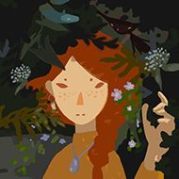
In Good Folk Cafe you start as Aoife, living alone in a wooded glen with an empty inventory, a plant book and a home that clearly needs work, which matters because every repair depends on what you gather and who you feed. The day belongs to foraging and the night belongs to strange visitors, and the rhythm between those two halves is the whole heart of the game.
| Genre | Cozy foraging and cooking game rooted in Irish folklore |
| Protagonist | Aoife |
| Daytime loop | Forage real-world plants around the glen |
| Nighttime loop | Cook meals for visiting good folk |
| Rewards | Wood, nails and bike parts for home repairs |
Days are spent wandering the countryside around the glen collecting real-world plants. Gathering each one runs through a simple timing-based minigame, and once your inventory is full, you head home to identify what you picked. The plant book is a small delight: it lists the plants with their names in Irish, which gives even routine foraging a feeling of learning something real. The pace is gentle, and the woods are pleasant enough that simply walking around feels like part of the reward.
Irish language learners and nature lovers tend to linger in the plant book far longer than they planned.
The classic beginner mistake is filling your inventory with whatever grows closest to the house. It feels efficient, but the nighttime cooking depends on combining different flavors, so an inventory full of one plant leaves you with nothing to experiment with. A varied haul, even a small one, is almost always more useful than a big pile of the same leaf.
At night, mythological creatures come calling, and it is your job to feed them. The “good folk” in the name is an old way of referring to fairies, and the visitors carry that folklore feeling with them. This half of the loop is where the game asks you to think.
Flavor profiles. Every ingredient carries its own flavor profile, and different creatures respond to different combinations. There is no recipe card handed to you, so learning what pleases each visitor is part of the fun.
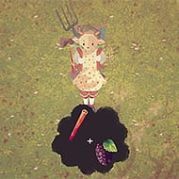
The bowl. You chop plants and arrange them in a bowl before serving, and the payoff is a lovely animation of the creature curling up to eat. It is a tiny moment, but it makes getting a dish right feel genuinely warm.
Trial and error. Expect a few misses early on. Treat each unhappy visitor as information about their tastes, and the next night’s bowl will be better.
A satisfied creature rewards you with materials like wood, nails and bike parts, and those feed straight into fixing up Aoife’s home. Repairs unlock practical upgrades, such as an expanded inventory for plants and eventually a bike that lets you travel farther from the glen, though the bike cannot be used in the demo. Every bowl you serve therefore pushes the house, and your reach, a little further.
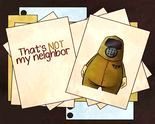
Once the first repairs are done, a neighbor starts dropping by to tell stories. These are meandering, funny tales in the tradition of the seanchaí, the Irish storyteller, and one of them even has people chatting in the background as if you were sitting in a crowded kitchen. Players consistently single these scenes out as the most charming part of the game.
That storytelling layer also hints at bigger mysteries around the glen. The game never rushes to explain them, which suits its slow, homely tone.
The honest criticism is pace. Foraging, identifying and cooking all happen at a relaxed speed, and working out each creature’s preferences takes experimentation, so players looking for fast progression can feel the loop dragging. The demo also stops short of letting you ride the bike, which leaves some players eager for more before they have seen the full shape of things.
For anyone wondering what the good folk like to eat, there is no single answer to look up: match ingredients to each visitor’s flavor preferences and adjust after every night. Players asking how to get the bike should focus on earning bike parts through happy visitors and putting them into repairs.
It is not a horror game despite the fairy folklore, and cozy players who enjoy slow evenings with good writing will find exactly what they want. Goal-driven players may prefer to dip in for short sessions rather than long ones.
Good Folk Cafe is a quiet game about gathering, cooking and listening: fill Aoife’s inventory with variety, learn the flavor profiles one bowl at a time, and let the seanchaí-style stories of the neighbor pull you deeper into the glen’s mysteries. Some nights the bowl will miss, and that is part of learning who your visitors really are.