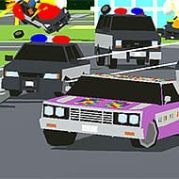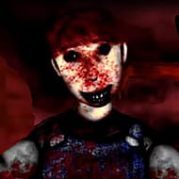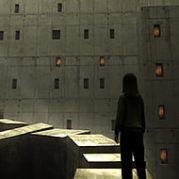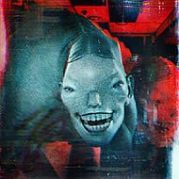
In Unlisted you start with a missing son and a stream of videos you never asked for, which changes how every dark corridor reads before you take a single step. The videos arrive without explanation, each one recorded by a grieving parent who is searching for a child of their own.
| Genre | Psychological horror walking simulator |
| Perspective | First-person |
| Players | Single-player |
| Average playtime | About 50 minutes |
| Structure | Short, intense episodes in different locations |
The premise is simple and cruel. Your son has gone missing, and then unlisted videos begin to arrive, each showing a different parent in a different place searching for a different child. You move through each episode in first person, following that parent through whatever waits there, and the shared grief is what links one nightmare to the next.
Every episode brings its own location, its own atmosphere, and its own creature, and the dread is built to change each time. The question that keeps you walking is whether these videos have anything to do with your son’s disappearance, and the game uses that hook to hold the whole structure together without needing a long, sprawling map.
The store page is blunt that the tension is constant and that every episode ends in tragedy. It then asks whether your own outcome will be any different, which turns a simple walk through a dark place into a small act of hope. That promise of a different ending is the emotional engine of the whole game.
Episodes: The game is built from short, intense chapters rather than one long campaign, and the average playtime is about 50 minutes. That makes it a single-sitting horror game, closer to a short story you finish in one evening than a project you return to across a week. Each unlisted video starts fresh, so there is no baggage to carry from one location to the next.
Locations: Each episode has a distinct setting with its own mood, so you never get comfortable in one environment. A new place means new sightlines, new sounds, and a new kind of fear, which is a smart way to keep a short horror game from repeating itself. The parent you follow changes too, so the emotional tone shifts along with the scenery.
Pace: Short episodes mean the game cannot afford slow starts. The tension is meant to build quickly and stay tight, and a run of around 50 minutes leaves little room for filler. For players who find long horror games exhausting, that compact length is a real advantage.
The store page frames the game as a walking simulator, so the main verbs are walking, looking, and listening. There is no combat to master and no inventory to juggle. Your skill is paying attention: noticing where a sound comes from, deciding whether to keep moving, and reading a space before it reads you.
That focus is why the format suits horror so well. When you cannot fight back, every shadow becomes a question, and the tension comes from not knowing what the next room holds. Fans of walking sims will recognize the rhythm of slow movement broken by sudden pressure, and players who like story-driven horror will find the structure especially natural.
By the time the next video loads, you have learned nothing that transfers directly, because the creature and the location are new again. That reset is the design: you can never settle into a routine, so the fear never fully flattens out.
The store page lists realistic graphics and professional English voice acting as core features, and both matter more in a walking simulator than in most games. With no combat to distract you, the voices and the environments carry the emotional weight, and a missing-child story only works if the performances feel believable.
Full audio is in English, while the interface and subtitles cover 24 languages in total. That wide subtitle support means the story is accessible to a lot of players, even though the spoken performances stay in English. If you rely on subtitles, they are available from the start.
Audio is also where this kind of horror lives or dies. A well-placed sound can do more than any visual, so headphones are the sensible choice, and playing in a dark room will only make the tension tighter.
Early impressions describe the game as leaning on jump scares, though also as tense, with an eerie atmosphere and strong audio and visual work. That mix is exactly what splits horror fans: some want slow dread, while others are happy to be startled as long as the sound design earns it.
The walking-simulator format has a trade-off as well. Movement and observation carry the game, and the path is linear, so players who want puzzles, combat, or branching choices may find it thin. A short run of about 50 minutes also means value-focused players will weigh length against price more carefully than they would for a long campaign.
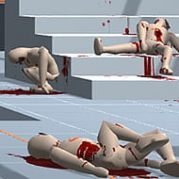
The page lists gore among its tags and carries a warning about flashing lights and intense visual patterns that may trigger photosensitive epilepsy. Anyone sensitive to those effects should read that notice before starting, and a demo on the store page makes it easier to judge comfort levels first.
Horror players who enjoy short, tightly built scares in one sitting will get the most from this game. Fifty minutes is long enough for several different locations and creatures, but short enough that the tension never has time to go stale.
The subject matter is heavy. Every video comes from a parent who is searching for a lost child, and your own search for your son sits underneath all of them, so players sensitive to stories about missing children should know what they are walking into. The emotional weight is the point, not an accident.
Once the first unlisted video starts playing, a good habit is to take it slowly and keep the sound up. The audio is part of how the game builds dread, and the demo is a low-pressure way to find out whether the scare style suits you before you commit to the full run.
Unlisted asks one question across its 50 minutes: what do the unlisted videos from other parents have to do with your missing son? Each episode answers a small part of that question with a new location and a new creature, and by the end you will know whether your search was any different from theirs.