






The Pale Mimic looks, for the first couple of minutes, like a quiet snowbound wander: soft white ground, a crackling camp, a hot air balloon parked at the edge of a forest clearing. It plays like something much less comfortable. The balloon that was supposed to carry you out of the snowland is grounded, its gas bottles scattered somewhere in the trees, and the forest around that camp is not empty. What starts as a calm exploration prototype turns into a slow-burn survival horror the moment you realize the quiet is doing a lot of work to hide what is actually out there.
| Genre | Survival Horror / Exploration |
| Perspective | First-person |
| Setting | A snowbound forest camp beside a grounded hot air balloon |
| Objective | Recover the lost gas bottles and get the balloon airborne again |
| Player Mode | Singleplayer |
The setup is short and does not waste your time explaining itself twice. An adventurer traveling by hot air balloon gets caught in a blizzard, loses control over the snowland below, and comes down hard in an old forest clearing. A makeshift camp goes up first, fire and shelter before anything else, and that camp becomes the one spot in The Pale Mimic that never quite feels hostile, even when everything past its firelight clearly is.
The gas bottles that should have kept the balloon fueled did not survive the crash landing in one place. They are out in the trees, scattered across a stretch of forest that the game trusts you to search without much hand-holding. That single detail, more than any monster reveal, is what sets the tone early: you are not here to fight anything, you are here to go looking for fuel in a place that clearly does not want visitors.
There is no tutorial pop-up walking you through objectives beyond that. The Pale Mimic drops you at the treeline and lets the cold, the dark, and the silence do the explaining, which is exactly the kind of minimalist opening that either hooks a player in the first two minutes or loses them entirely.
Recovering fuel sounds like a fetch quest on paper, and in a lesser build it would play like one. Here it works because every trip away from camp is a small negotiation with visibility. Snow limits sightlines, tree cover breaks up the path back, and there is no marker telling you how close the next gas bottle actually is. Progress comes from remembering terrain, not from following a waypoint.
None of these approaches is objectively correct, which is part of why the loop holds up over multiple attempts even though the map itself is small. The forest gives you the same handful of paths every run; how carefully you use them is what changes.
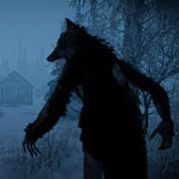
The forest is not simply cold, it is occupied. The Pale Mimic keeps its eldritch entities deliberately underexplained rather than giving them a rulebook, which is either the game’s smartest choice or its biggest weakness depending on who you ask. You will not get a clean readout of detection ranges or safe distances. What you get is a mounting sense that you are being watched, tied closely to how far you have wandered from the fire and how long you have been out there.
That ambiguity is the most divisive part of the whole experience. Some players find it genuinely unsettling that the game refuses to define its own threat clearly; others find the vagueness frustrating, especially on a repeat attempt when they cannot tell if a change in outcome was skill or randomness. Both reactions show up in feedback on the same page, which tells you the design choice is doing something, even if not everyone agrees it is the right something.
By the time you have found a couple of gas bottles and the light has dropped further, the forest stops feeling like scenery and starts feeling like a countdown. That shift, more than any single scare, is the moment most players remember afterward.
It is worth saying plainly: The Pale Mimic is a small, early build, not a finished multi-hour campaign, and it wears that honestly rather than padding itself out. The whole arc, from crash to camp to a fueled balloon, is built around one sitting. That is a legitimate criticism players raise, and also the reason the pacing feels tight instead of bloated. There is no filler between the blizzard and the ending; every scene is doing something toward getting that balloon back in the air.
The game currently sits at a perfect five-star score from its early reviewer feedback, which says less about mass appeal at this stage and more about how strongly it lands with the specific players who click into a short, atmospheric horror prototype on purpose rather than by accident.
Strip away the balloon and the blizzard and The Pale Mimic is really about one very old horror instinct: the safety of firelight against the uncertainty of what is standing just past it. Every gas bottle you carry back to camp is a small, deliberate bet that the forest let you leave this time, and that bet is what keeps players walking back out into the trees even after the first close call.