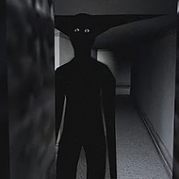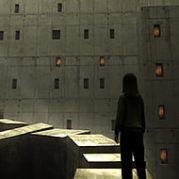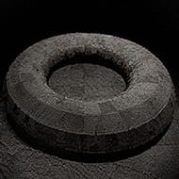
The Additional Dimension looks like the Backrooms wearing a Soviet coat, but it plays like a slow-burn story you piece together one note at a time. A collider punches a hole through reality in 1970, and three hours later you are on your way to becoming the first human to step through. The game asks for patience, a decent sense of direction in the dark, and a willingness to read.
| Genre | Liminal psychological horror with walking-simulator pacing |
| Setting | Soviet research base built around a collider anomaly |
| Role | Associate Professor sent on an honorary mission |
| Endings | 2 |
| Playtime | About 30 to 40 minutes |
You play as an Associate Professor handed what sounds like a routine, honorary assignment: step into the newly discovered spatial anomaly, deploy a sensor array, and come back. Your supervisor Petrov makes it sound simple, which is exactly why the moment the device locks into place feels so cold. The radio cuts out, the elevator is gone, and the base you thought you understood stops obeying its own rules.
Early in the game, nothing chases you. The fear comes from not knowing what you are becoming part of.
Players who dislike chase horror will be relieved, because reports mention only a couple of jump scares across the whole run. Beginners often brace for a monster and spend the early stretch checking behind them, when the real pressure comes from darkness, architecture, and the slow realization that the hallway might not lead anywhere.
The first serious test arrives in the room with calculations scrawled across the floor and handprints on the wall. Past it you face three ways forward: straight ahead, left, and right. Forward and left both loop you back, while the right passage is the correct one, and it stays hidden in the darkness until you are almost on top of it.
If the hallway keeps repeating, stop testing the same two exits. Step toward the side of the room you cannot see clearly.
Liminal space fans will recognize the loop as a familiar trick, yet the game twists it by making the correct route the one the darkness hides. Some players lose ten minutes alternating between left and right before they notice. The darkness also divides opinion: some love the geometric-hell atmosphere, while others wish for a flashlight in the blackest areas, and the way rooms materialize and vanish makes every step into black feel like a possible drop.
The story arrives mostly through handwritten notes, and the reading load is the game’s most debated trait. Some players joke about feeling like they were assigned multiple essays, and one wished the lore came as radio cassettes so it could be heard instead of read. The spoken lines that do appear are praised, though opinions differ on how Russian the accent should sound.
Notes: Each note fills in a piece of what went wrong at the collider, and story-first readers will enjoy assembling the picture. Skipping them is possible, but the endings lose most of their weight.
Timelines: The notes come from more than one timeline, so the same event can look different depending on which page you read first. That is where the time-travel element shows up, and it is why the mystery feels larger than a half-hour walk through corridors would suggest.
There are two endings. In one, you correct the mathematical errors of the past. In the other, you are permanently integrated into the infrastructure of the base. Players usually call them Ending A and Ending B, and a full playthrough takes about 30 to 40 minutes, so seeing both fits into one evening.
Once you know the correct passages, a second run moves quickly. The right-hand exit after the calculations room stays right.
By the time you reach the second ending, the notes read differently, because you already know how the first one lands. The most common complaint is that the game ends too soon, and that is a fair criticism of a story this good at building dread. Even so, the short length keeps the pacing tight, and nothing feels padded.
The Additional Dimension packs a whole liminal nightmare into a single evening: Petrov’s honorary mission, the collider anomaly, the calculations room, and a choice between correcting the past and becoming part of the base. Pick the right-hand passage, read every note, and see both endings before deciding which one you would rather live with. The game rewards that curiosity more than any monster could.