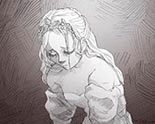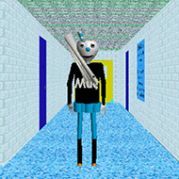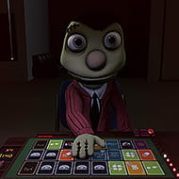









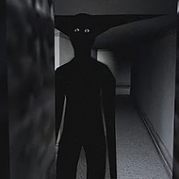
In MONOCHROME you start in a sealed room with a simple problem: the exit is locked, the surrounding corridors are abandoned, and something is already watching from the darkness. The objective is built around exploration rather than combat, because you need to search the connected rooms for four keys and one code before the escape route can be completed. The grayscale setting makes familiar spaces harder to read, especially when the lights disappear, so careful movement matters as much as remembering where you have already searched. The game also rewards players who resist the urge to sprint through every corridor, because stamina becomes important when a chase begins.
| Genre | Puzzle and escape horror |
| Platform | Roblox |
| Players | Up to 20 |
| Objective | Find four keys and one code, then escape |
The four keys are the backbone of the search. They are hidden around the corridor network, so checking only obvious furniture is a common beginner mistake. Drawers, corners, walls, and less noticeable parts of a room deserve attention, especially when a location looks almost empty. The important community habit is to clear a room before moving deeper, because returning later while the monster is active makes the same search much more dangerous.
The interaction system keeps the process straightforward. E is used for important actions such as opening drawers, interacting with objects, entering closets, and working with parts of the escape route. Once you understand that interaction range can matter, failed attempts become easier to diagnose. If an object seems usable but nothing happens, move closer and adjust your aim instead of immediately assuming the puzzle is broken.
Players who enjoy methodical exploration usually have an easier time here because they naturally build a mental map while searching. Solo players can also benefit from keeping track of which rooms have already been checked, while groups need clear callouts so several people do not repeatedly search the same corridor.
The monster changes the rhythm of the game because searching is never completely safe. When the lights go out, the atmosphere shifts immediately, and the sound of movement becomes much more important than the visual layout. Sprinting away without knowing where you are going can waste stamina and leave you exposed at exactly the wrong moment. Closets provide a safer response when the monster is close, making hiding and patience more reliable than trying to outrun everything.
The torch is particularly useful during dark sections because it lets you read the environment and locate interaction points without blindly moving forward. Radar and Night Vision Goggles can provide optional assistance, but neither replaces knowledge of the corridor layout or the basic need to search for the required keys. This balance is one reason the game divides players: some enjoy the tension created by limited visibility, while others find the darkness more frustrating than frightening.
By the time the monster starts interfering with a search, experienced players tend to think in terms of escape routes rather than simply looking for the next key. A player who prefers careful horror exploration can slow down and preserve stamina, while an aggressive runner may move faster but risk getting trapped far from a closet.
Finding four keys does not complete the escape by itself. The objective also requires a code associated with the elevator, creating two separate tasks that must eventually come together. This is where players sometimes become confused by searches for MONOCHROME codes, because the in-run elevator code is part of the puzzle rather than a promotional redemption system. The distinction matters when looking for help, since a code-list page does not solve the actual escape.
Early in the game, concentrate on understanding the rooms and the interaction prompts instead of trying to memorize a complete route. Once several keys have been collected, revisit suspicious areas and check anything that was previously ignored. The most useful advanced habit is maintaining a mental count of the four keys, because reaching the elevator while one deadbolt remains unresolved can make the ending feel much closer than it actually is.
The game is still associated with early development, and players have openly discussed bugs and unfinished elements. That imperfection can occasionally interrupt an otherwise good run, but it also explains why older walkthroughs may not perfectly match a current session. Part 2 has also become a distinct point of discussion, so players should pay attention to which chapter a guide actually covers rather than assuming every route applies everywhere.
You need four keys for the locked escape route, plus the separate elevator code. The keys are collected while exploring the corridor network, so a missing key usually means that another room, drawer, corner, or hidden area still needs to be checked.
Use closets when the monster is nearby and avoid wasting Shift sprint stamina before you actually need to escape. When the lights fail, the torch can help with navigation, but knowing where the nearest hiding place is remains more important than simply moving faster.
No. The important code is the in-run elevator code required for the escape, not a promotional code that gives rewards. The four keys still have to be found, so discovering the code alone does not finish the puzzle.
MONOCHROME works best when the search for four keys gradually becomes a test of memory, positioning, and nerve. The elevator code gives the final objective a clear endpoint, while closets, the torch, and stamina management determine whether you can reach that endpoint safely. For players who enjoy learning a maze under pressure, MONOCHROME turns its abandoned corridors and watching monster into the central challenge rather than relying on complicated controls.