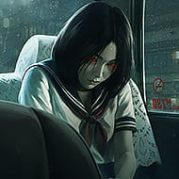
What would you do if a fare climbed into your taxi at midnight and asked to be driven toward the forest the whole region whispers about? Road to Jukai turns that question into a first-person psychological horror about a night-shift driver moving passengers between small Japanese towns, with six nights to get through and a sunrise that never comes soon enough.
| Genre | Psychological horror, driving, adventure |
| Platform | Windows PC |
| Mode | Single-player, first-person |
| Structure | Six nights, non-linear story |
| Setting | Remote Japanese region beside a vast forest |
You work as a taxi driver in a remote part of Japan, ferrying people between quiet towns that sit around a vast haunted forest. The job sounds mundane until the first passenger gets in and the conversation drifts somewhere it should not. The region carries a history of tragedy and mystery, and the game lets that history leak out through what people say.
The cab is both your workplace and your only safe space. Much of the tension comes from sitting behind the wheel with someone in the back seat, unable to leave and unsure what you are carrying. That setup rewards players who like atmosphere that builds slowly, not through constant chases.
Coverage of the game has pitched it directly at fans of Japanese horror, and the mood matches that promise, with quiet roads and unsettling stillness doing most of the work.
The story runs across six nights and is non-linear, so what you see depends on the choices you make. Early in the game, the passengers feel odd rather than dangerous. By the time the later nights arrive, their requests and stories grow more unsettling, and the question of who or what is actually sitting in your taxi becomes harder to ignore.
Choices matter here, and the game supports multiple endings. Beginners often treat each conversation as flavor text, but the better approach is to assume every answer and every route could change how the nights play out.
Completionists chasing every ending will want more than one run, since a single pass through six nights cannot show everything.
Driving between towns on forest routes is where the horror sits between conversations. The advice that comes with the setup is simple: sometimes it is safer to keep your eyes on the road. The hard part is resisting the pull to glance at whoever is behind you, which is exactly where the game wants your attention to wander.
A common beginner mistake is treating each fare like a delivery job. Rushing from pickup to drop-off means missing the small details that make the story readable. Slow down, let the drive breathe, and let the conversation do its work.
Sunrise works as a pacing tool. The dread lives in the gap between now and dawn, so every stretch of dark road feels longer than the clock says.
Some players will want to know what they are walking into. The developers list depictions of suicide as mature content, and the subject is central to the region’s story. If that is difficult for you, it is worth knowing before your first shift.
Pacing is the other point of debate. Players who prefer jump scares and combat will likely find the slow burn frustrating, since the game leans closer to a walking simulator than an action horror. Fans of quiet, psychological dread are the ones likely to find the pace rewarding.
Whether the measured tempo is a strength or a weakness depends entirely on what you want from a night behind the wheel.
Road to Jukai works because it keeps its horror small: one taxi, one road, one passenger at a time, all of it leading back toward the forest the towns fear. If the idea of six nights on the night shift, with the dead still calling out from the trees, sounds like your kind of dread, the drive is worth taking with the window shut and your eyes forward.