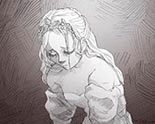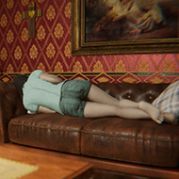









The Plague Control Department in Mycopsychosys: Project Jupiter does not work like the heroic outbreak squad its name suggests. Most days involve paperwork, inspections, and arguments with coworkers under flickering fluorescent lights, and that mundane routine is exactly what makes the horror hit harder when it finally breaks through. You step in as Hugo, a rookie officer who has no idea how far beyond his pay grade this job really goes.
| Genre | Narrative horror adventure with RPG and puzzle elements |
| Mode | Single-player |
| Protagonist | Hugo, a rookie officer at the Plague Control Department |
| Setting | A deadly new infection spreading across Spain |
| Structure | Office life alternating with field expeditions |
| Status | Early Access, first chapter of a planned three or four |
Hugo’s first lessons are about bureaucracy, not bloodshed. A deadly infection is spreading across Spain, but the department you join spends plenty of time on forms, inspections, and awkward small talk with eccentric civil servants. Early in the game that office life is the main stage, and it is where you learn who your coworkers are, how they speak, and which of them you might eventually trust. Players who expect an instant action game will need to adjust their pace.
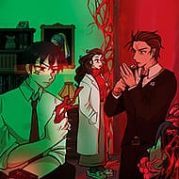
The office is also where you bond with the main cast. The store page promises that you can meet and interact with people, and the visual novel side of the game leans on those conversations to give the later investigations weight. Fans of dialogue-driven stories will feel at home here, and the studio has said that Hugo, Ray, and Silvia are the characters who get the most story attention.
Do not mistake the bureaucratic comedy for a gentle tone. The store page lists death, gore, body horror, drug use, and violence, all set around crime scenes and a zombie-like virus.
Once Hugo is deployed, routine investigations turn into desperate survival missions. The structure alternates between the office and these expeditions, which keeps the game from settling into either a pure visual novel or a pure survival horror. The tags show how mixed it is: pixel-art exploration, puzzles, hidden object searches, and platforming sections all appear.
Field missions send Hugo to three kinds of places:
A common beginner mistake is treating a contaminated zone like a hallway to cross. Clues are the real objective, and the story reads very differently when you have actually gathered them. Slow down, check corners, and treat every abandoned facility as a crime scene rather than a level. Players who like puzzle platformers will enjoy the way traversal and investigation keep trading places.
Detective work sits at the center. You collect clues, talk to people, and piece the case together, and the narrative is non-linear, so the order in which you uncover things shapes how the mystery feels. The Choose Your Own Adventure tag fits, since the information you gather and the choices you make steer how scenes play out. The more you pay attention instead of skipping dialogue, the more the case rewards you.
Hugo’s partner is a major part of that. The store page describes a partner who is difficult to trust, and working alongside someone you are not sure about gives every investigation a nervous edge. Whether that doubt is justified is one of the questions the story keeps open.
The deeper you investigate, the clearer it becomes that this disease may not be natural. By the time forces larger than the PCD enter the story, the office jokes have a very different aftertaste, and mystery fans who like building their own theories will have plenty to chew on.
The game is in Early Access, and it shows in a few places. The first public version contains the main storyline of the first chapter out of a planned three or four, and secondary missions are not available yet. The studio also warns that bugs are possible, and English is the only supported language for now, with translations planned for later.
Because the narrative leads, the puzzles and mechanics are still being shaped by player feedback, and some players will find the gameplay lighter than the story. Others will welcome that, since the pacing between desk work and expeditions feels deliberate. At the time of writing, every one of the 18 user reviews is positive, but that is a small sample, so treat it as a first impression rather than a verdict.
The mature content is the other dividing line. Gore and body horror are part of the package, and not every fan of bureaucratic comedy will want them.
These are the questions players tend to ask before starting.
Mycopsychosys: Project Jupiter works best when you let the office and the field feed each other: a mundane form at Hugo’s desk, a contaminated zone that proves it matters, and a partner whose motives you keep second-guessing. If you enjoy mysteries that unfold at the speed of your own curiosity, the Plague Control Department is a workplace worth clocking into.