






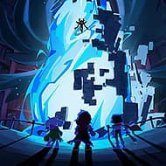
You are halfway through Hometown Day, still pretending this is an ordinary morning, when Kris, Susie and Ralsei get pulled toward Dark Sanctuary One and the pace of Deltarune Chapter 4 changes for good. The chapter is called Prophecy, and it earns the name by splitting its story between quiet town scenes and fights that punish loose dodging. Below is where the difficulty spikes, what the optional piano puzzle demands, and why the secret fight at the end divides the community.
The chapter is built from alternating pieces rather than one long dungeon. Community walkthroughs split it into six segments, and the order alone explains the pacing.
Early in the game the town scenes feel like a breather, but by the time you reach Dark Sanctuary Two the quiet stretches start to feel like the calm before a hard boss. Beginners treat Hometown Day as filler, skip the side conversations and arrive at the first fight with an empty bag. That is a bad way to start a chapter that ends on a final boss.
Collectors get the most out of the town segments, since community checklists track a hidden egg and a secret boss for this chapter alongside the story route.
Every fight comes down to one loop, and the three-person party makes it readable. Susie hits hardest, Ralsei heals and pacifies, and Kris decides who acts and when. Tension Points, called TP by everyone who plays, fill when you graze incoming bullets, so the safest-looking dodge is often the least useful one. A player who hides in the middle of the box survives a little longer but starves the TP meter, and the longer fights punish that habit.
ACT is the other half of the system. It turns a fight into a puzzle where the right command can matter more than the biggest hit.
Newcomers hammer FIGHT and ignore the menu, which works until a boss starts shielding itself. Players who enjoy patient, pattern-reading fights will like the TP economy, while button-mashers tend to hit a wall at the chapter’s first miniboss.
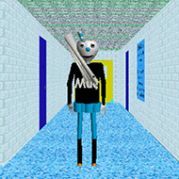
Two fights define the main route. Jackenstein is the miniboss players mention first, described in guides as a tricky story fight, and the Titan waits at the very end as the final boss. Between them, the chapter stops being forgiving about sloppy dodging.
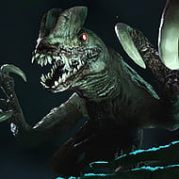
The Titan is the cleaner test of everything you learned. Guides keep returning to the same three points: break the shield, manage your TP and use the fight’s unique ACT options at the right moment. Skip any one of them and the fight drags, and every extra turn is another bullet pattern to survive.
Some players call this stretch fair and others call it a spike, and both are describing the same thing. The Titan expects you to use the whole menu, not just attacks, and a party that has been coasting on Susie alone is where that stops working.
The optional content starts with sheet music. You collect three sets of music sheets and play the tune on the golden piano in Gerson’s study, and that is what opens the path to the secret boss. Three pieces sounds simple on paper, but the third is the one that sends people to guides.
The hunt for Music Sheet 3 is where many players give up and open a walkthrough.
Once the tune is right, a hidden door opens beside Gerson’s fireplace and leads straight into the fight. Anyone who loves puzzles will enjoy the search, since the piano rewards patience over speed. Anyone who just wants the boss will probably spend more time on the route than on the fight itself.
The secret fight is the one the community calls Hammer of Justice. Gerson challenges Susie, and winning rewards a Shadow Crystal, which guides link to a possible hidden ending. Shadow Crystal bosses are optional and do not change how the chapter finishes.
It follows Jevil, Spamton NEO and the Roaring Knight, the secret bosses of the first three chapters, so expectations were high. Guides describe this one as difficult but friendlier than its predecessors, closer to heartwarming than punishing. That tone surprised players who braced for another endurance test.
The honest complaint is the route. The fight sits behind climbing, a music puzzle and a hidden door, which means a first-time player can finish the chapter without ever knowing it exists. Fans argue about whether that is clever design or an unfair gate, and the answer depends on how much you enjoy checking every corner.
Collect the three sets of music sheets and play the tune on the golden piano in Gerson’s study. When the melody finishes, a hidden door opens by Gerson’s fireplace and the fight begins. Expect some climbing before you even reach the piano.
Break the shield, keep TP high by grazing bullets and use the Titan’s unique ACT options at the right moments. Those three points show up in every guide for the fight, and ignoring any of them turns a clean attempt into a long one.
No. Shadow Crystal bosses are optional, so you can reach the Titan and finish the chapter without touching the piano. The reward is the Shadow Crystal and the extra story it points toward.
Deltarune Chapter 4 works best when you treat Hometown Day as part of the fight rather than a break from it, because the TP habits you form around Susie, Ralsei and Kris decide whether the Titan feels fair. Take the piano detour only if you want Gerson’s Shadow Crystal, since nothing in the story forces you to.