









Crack the Pack looks like a pack-opening toy but plays like a small factory simulator once your upgrades start running without you. The first minutes are pure clicking and flipping cards, yet the game quietly steers you toward production lines, employees and ever larger numbers.
| Genre | Incremental card-collecting |
| Players | Single-player |
| Collection | 1,001 collectible cards |
| Variants | Seven per card, increasingly rare |
| Booster Types | Up to 8 |
| Upgrades | Over 60 in the upgrade tree |
The loop is simple on paper: open a booster, discover new cards, sell the duplicates, and put the money into the upgrade tree. Early in the game every pack feels slow, because you are doing all the work by hand and the coins trickle in. That slow start is deliberate, since it teaches you what each upgrade is actually worth before the numbers grow.
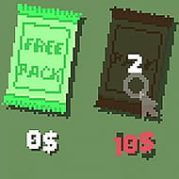
You can unlock up to 8 types of boosters, and they behave very differently. Some packs improve with every use, mega-packs hold dozens of cards, and a few are a straight 50/50 gamble that can leave you worse off. Players who enjoy a bit of risk will keep reaching for those, while careful planners tend to stick to the packs that scale.
Beginners often sell every duplicate immediately. That is fine at first, but it pays to watch what the upgrade tree is asking for before you spend. The game rewards a rhythm of opening, selling and reinvesting rather than hoarding.
Every card exists in 7 increasingly rare variants, and each variant carries its own almost magical power. That is where the collection stops being a checklist and becomes a real goal. Completionists will find that the last few rare variants take a long stretch of play, which is both the appeal and the complaint.
The full set adds up to 1,001 collectible cards, so there is always something left to discover. The pull of an unseen card keeps even a relaxed session moving, and the parody tone of the card art keeps the grind light. It is a collection game that does not take itself too seriously.
Players who love filling out a binder will enjoy tracking what is missing, and the duplicates you sell along the way feed straight back into your upgrades. Nothing is wasted, which is a quiet comfort in a genre built on repetition.
The upgrade tree holds over 60 upgrades that let you open packs at massive scale and sell cards for top value. Once employees appear, the game changes shape, because you stop opening every pack yourself and start managing output. Later features such as card battles, the Fusion Lab and the Museum add new things to chase, and the long-term goals include cloning and nuclear fusion.
This is also where honest criticism lives. Incremental games thrive on repetition, and players who dislike waiting for numbers to climb may find the middle stretch slow. The 50/50 packs can also feel more like gambling than strategy to anyone who prefers predictable growth.
Idle-game fans, though, will recognise the satisfaction of watching an automated production line replace manual clicking. That moment, when the factory finally outpaces you, is what the game builds toward from the first pack.
Crack the Pack rewards the player who keeps opening one more mega-pack, selling the duplicates and pushing toward the Fusion Lab. Start with the packs that improve each time you use them, hire your first employees as soon as they appear, and see how close you can get to all 1,001 cards.