Death in House 2 is not the end of a run but the start of the next attempt, sending Tabby back to face the same cursed night with a little more knowledge each time. The full game continues the story of Tabby, who once again finds herself trapped in a never-ending nightmare while a terrible storm rages outside. Uncovering the mystery of the curse means learning the house, its routines and the creatures that stalk it.
The setup begins almost cozy: two young girls, Tabby and Melody, spend a stormy night watching TV and playing games. Then the night turns, and the curse takes hold. From there, the loop becomes the core mechanic, with each failure teaching you what to avoid and which objects or timings open the next step.
Players coming from the first HOUSE will recognize that trial-and-error structure immediately, but the full game widens the mystery and gives Melody a bigger role in the story. The loop is familiar, but the stakes feel more personal.
Patience matters more than speed. Rushing through rooms is the fastest way to trigger one of the many deaths, and each death costs time you could spend exploring.
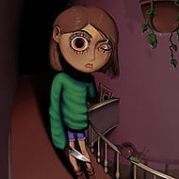
The first thing returning players notice is the new hand-drawn storybook art style, a big departure from the pixelated retro look of the original. It gives the house a warmer, almost picture-book appearance, which makes the violent turns even more jarring.
Player deaths feature graphic cartoon violence and gore, and the contrast between soft visuals and brutal outcomes is intentional. Some fans love it, while others miss the ambiguity of the old pixel art, where the imagination filled in the details.
That debate is the most divisive topic in the community, and it usually comes down to whether players valued the retro aesthetic or the storytelling more. Neither side is wrong, and the new look clearly suits the storybook framing of the curse.
The creatures draw heavily from Japanese folklore. Akaname, a yokai associated with filth and bathrooms, and the Neighbor are among the figures players learn to fear, and each has patterns that can be studied and avoided. The Neighbor also ties directly back to lore from the first game, which rewards long-time fans.
Horror fans who enjoy folklore will find the references an extra layer of discovery.
Once Akaname appears, rooms that felt safe earlier in the night suddenly demand new caution, and players have to rethink routes they relied on before. The safest habit is to re-check every familiar room before crossing it.
Every threat follows rules. Watching how each creature reacts to noise, light and timing is more useful than any single tool, and experienced players often let a death happen on purpose just to learn a pattern.
The earlier demo offered only a slice of the night. The full game extends the story far beyond it, adds more rooms and threats, and builds out the mystery of the curse in ways the demo only hinted at.
Players who finished the demo should expect familiar opening beats, but the later areas change the stakes considerably. The full game is where the curse story actually opens up.
Completionists will want to hunt achievements too, including the Liquid Courage achievement, a small nod to classic cartoon horror. Exploring beyond the main path is the best way to find the rest.
Bravery is overrated in this house. The fastest progress comes from a methodical approach:
The honest frustration players mention is repetition. Some deaths feel unfair on the first encounter, and replaying the same sections can wear thin for those who prefer clear hints.
Puzzle-minded players, on the other hand, often say that the moment a pattern finally clicks is the most satisfying part of the whole night.
It is not required, but it helps. Tabby’s history, the Neighbor and several references make more sense if you know the original story, although the full game explains enough to follow on its own.
When Tabby dies, the night resets and you try again with what you learned. Each death reveals a rule about the house or creatures like Akaname, so failure is part of progress rather than a pure setback.
Yes, player deaths often show graphic cartoon violence and gore despite the soft storybook art. The contrast is intentional, so players sensitive to gore should know that the cute visuals do not soften the outcomes.
House 2 turns a stormy sleepover into a cursed loop where every death teaches Tabby something new about the house. Learn the Neighbor’s habits, stay wary once Akaname appears and keep Melody’s safety in mind, because the full game only reveals the truth of the curse to players patient enough to survive each night.