



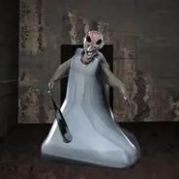


Homer Nightmares looks like a throwaway cartoon shooting gallery from the thumbnail, all bright colors and a grinning yellow cast. It plays like something a lot meaner and funnier than that first impression suggests — a rapid-fire target range where the joke is that Homer is picking off an entire cloned neighborhood, one twitchy reflex shot at a time.
| Genre | Arcade shooting gallery / satire |
| Structure | 23 levels, a shooting range, and a story mode |
| Cast | Homer, Bart, Lisa, Marge, Ned Flanders, Rod Flanders, and more |
Every level runs on the same core tension: figures flash across the screen for a fraction of a second, and you have to decide who’s a legitimate target and who isn’t before your reaction time runs out. It sounds simple, but the game leans hard on split-second recognition — telling a genuine Flanders clone apart from Marge or one of the kids at speed is exactly the kind of hand-eye test that separates a clean run from a wave of accidental own-goals.
Medals reward consistency across the full run rather than a single lucky level, which pushes players toward treating the early, easier stages as calibration rather than something to blow through carelessly. Rushing the first few levels to reach the harder content faster is a common beginner mistake, since the accuracy habits built early carry straight into the levels where the clone density ramps up hard.
Underneath the shooting-range structure, Homer Nightmares runs an actual plot: Kang and Kodos, the recurring extraterrestrial pair from the source material, clone Ned Flanders and his entire family, flooding Springfield with duplicates. The player is handed a choice baked into the story mode — stick to eliminating just the Flanders clones, or turn the shooting gallery loose on the rest of Springfield, including Homer’s own family, for a darker alternate path through the same levels.
That branching choice is what gets brought up most in any discussion of the game — it’s a surprisingly mean twist for what reads on the surface as a goofy target-practice game, and it’s the detail that makes people replay a second time just to see the other route play out.
By the time you’re deep into the level count, the game stops giving you clean, isolated targets and starts throwing overlapping waves where a real family member and a clone occupy nearly the same screen position for a fraction of a second. This is where the shooting range mode earns its keep as practice — dedicated time spent there, away from the story mode’s pressure, builds the pattern recognition that later levels demand without any in-game penalty for failing.
The music player tucked into the game is a small, easy-to-miss feature that a lot of first-time players skip entirely, not realizing it’s there to break up longer sessions between attempts at whichever level is currently giving them trouble.
Homer Nightmares carries the accumulated structure of several earlier entries in the same series — more levels, a proper story mode, and the shooting range as a dedicated practice space, none of which the earliest, barer installments had. Long-time players of the series tend to treat this as the version where the format finally feels complete rather than experimental, even if the core “spot the clone, shoot it” idea never really changes.
What players still argue about is whether the family-wide alternate path undercuts the joke or is the whole point of it — some find turning the gun on Homer’s own family a step too dark for what’s otherwise a silly parody shooter, while others treat it as the most honest version of the premise, since the entire plot is already built around a household getting cloned into chaos.
23 levels, spread across a structured story mode, with a separate shooting range available outside the main progression for practicing target recognition.
Yes — the story branches based on whether the player restricts targets to Flanders clones only or extends the shooting to the rest of Springfield, including Homer’s own family.
No. Homer Nightmares is self-contained, though returning players will recognize the same core shooting-gallery format carried over and expanded with more levels and a full story mode.
Homer Nightmares earns its place less on visual polish and more on how far it’s willing to push its own joke — a shooting gallery that starts as harmless slapstick and, by the time Kang and Kodos’s clone plot fully unravels, dares you to decide exactly how far you’re willing to take it. Whichever branch you land on, the final tally screen keeps score on both restraint and chaos, which is usually enough to send a first-time player straight back into the story mode to see what the other choice actually looked like.