






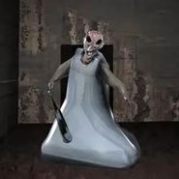


Tricksters in Haunted Heist can swap and bend voices before you ever see them, which is why proximity chat stops being a convenience and becomes the one thing worth protecting. The round looks like a simple search for gems in a mansion, but every hallway hides a rival team that wants the crew confused, muted and alone.
| Genre | Asymmetrical horror party |
| Players | 3 to 8 |
| Sides | Heisters versus Tricksters |
| Setting | Procedurally generated mansion |
| Perspective | First person, round-based PvP |
Every round gives the Heisters one job: find the gems scattered through the mansion and return them to the safe room before time runs out. The layout is procedurally generated, so no two rounds share a floor plan. If the timer expires or the Tricksters wipe the crew, the mansion claims another crew.
Beginners treat the gems as the whole objective and forget that the return trip is where crews tend to die. A Heister carrying a gem down a dark hallway is the moment a Trickster’s ambush hurts most.
Treat each gem as a round trip, not a pickup. The safe room is where the round is actually won.
Heisters carry four tools, and each one ties to a resource that runs down. The handgun burns ammo, the flashlight drains battery, flares light up dark rooms and defibrillators bring a fallen teammate back. Powerups scattered around the mansion restore resources or improve equipment, so a detour into a side room can pay off.
A common early habit is leaving the flashlight on constantly and then wondering why the battery dies mid-round. Once it is gone you are navigating a freshly generated layout blind, which is far worse than being short on ammo.
Players who like careful resource management will enjoy this layer most, since saving ammo for the right ambush beats spraying at every sound. A full clip at the right moment is worth more than a flare wasted early.
Proximity chat is the glue of the whole game. Heisters only hear each other when they are physically close, so staying together is not just a safety rule, it is the only way to coordinate. A microphone is recommended, and without one a crew is effectively mute.
Split from your group and a quick death is likely, which is the one lesson every round repeats. Solo wandering looks efficient until a Trickster uses night vision in a room you cannot see into.
The honest downside is that the game leans heavily on who you play with. A coordinated group of friends feels tense and fair, while a lobby of strangers without microphones scatters fast, because the party atmosphere is the whole appeal.
Tricksters win by making Heisters distrust their own senses. Their kit covers six tricks plus sudden attacks from the shadows:
Every ability runs on a cooldown, so a good Trickster spends them like chips at a poker table. Use disguise and invisibility too early and the next ambush has no setup left.
Players who enjoy bluffing gravitate to the Trickster side, while players who want straight shooter tension stay with the Heisters. The Trickster side rewards timing, while the Heister side rewards patience.
Because the mansion is generated fresh every round, you cannot memorise a safe route, only habits. The habits that carry across rounds are returning to the safe room early, keeping flares for dark rooms and checking corners before you pass them. Once the first gem is in a Heister’s pack, the hallways start to feel much narrower.
Fast rounds are a selling point. Quick matches encourage experimentation, laughs and revenge rematches, which is why the loop survives repetition.
Streamers and party hosts get the most out of this, since the chaos produces moments worth clipping and retelling. A single mistimed voice swap can become the clip everyone shares afterwards.
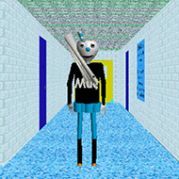
The tone matters as much as the mechanics. The art is cartoony and cute, the violence is cartoon violence with a handgun as the main weapon, and the whole thing plays as dark comedy rather than a straight scare. That mix is why a death often earns a laugh before it earns a groan.
Character customization gives each Heister a look, and Tricksters turn that look into a weapon through disguises.
Anyone expecting serious survival horror should know the game sits closer to dark comedy. That tonal choice is deliberate, and it shapes how every ability feels.
The game is built for 3 to 8 players, split into a crew of Heisters and a rival team of Tricksters. That flexible range suits friend groups, stream nights and community lobbies, and proximity chat makes bigger crews noisier and funnier.
Tricksters use night vision, muting, voice swapping, disguises, invisibility and voice modulation, plus sudden attacks from the shadows. Each ability has a cooldown, so the best Tricksters chain them in the right order instead of firing everything at once.
Collect the gems and return them to the safe room before the timer expires. Staying together, rationing flashlight battery and ammo, and keeping a defibrillator ready for a fallen teammate separate a win from a wipe.
Haunted Heist rewards crews that talk, stay close and save their flares for the right room. Carry the gems back to the safe room together, keep a defibrillator ready for a fallen teammate and remember that every voice in the dark might belong to a Trickster.