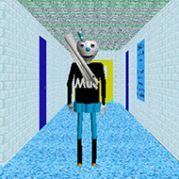





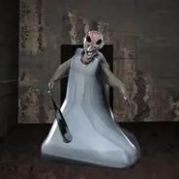


What happens when TungTung’s Nightmare stops giving you clear signals about what’s actually chasing you? Mostly silence, and a low-detail Unity build that leans on atmosphere rather than a fleshed-out roster of named threats — which is an honest way to describe the whole experience once you push past the title screen.
| Genre | Early-build horror |
| Core action | Navigate dim environments while avoiding an unseen threat |
The game favors sparse, dark environments over any dense narrative setup, and there’s little in the way of documented lore, named locations, or confirmed enemy identities to draw on. What’s playable is functional — movement, a sense of enclosed space, and a general dread built through lighting rather than scripted events.
Beginners tend to expect a clearer objective than the game actually provides, wandering rather than progressing with intent, since there’s no obvious marker pointing toward what “finishing” a section even looks like. Slower, more deliberate movement through each area tends to reveal more of the space than rushing does.
Unlike more established horror titles, this build carries almost no outside documentation, no confirmed developer credits, and no wider community discussion to draw real specifics from. That thinness is worth being upfront about rather than inventing detail that isn’t actually there — what’s here plays more like an early-access placeholder than a complete horror game with defined mechanics and named threats.
Players going in expecting a fully realized horror experience should adjust that expectation: TungTung’s Nightmare is closer to a rough sketch of a horror concept than a finished game with the kind of depth found elsewhere in the genre.