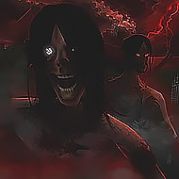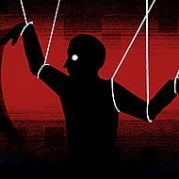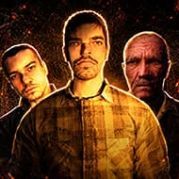
The Wrong Way sounds like a short drive home from a camping trip, yet it is built as a psychological horror story where the road itself turns against the driver. You play as James, who leaves his friends’ campsite early and heads home alone, only to follow a GPS route onto a road he was never supposed to be on.
| Genre | First-person psychological horror |
| Protagonist | James |
| Premise | A drive home after a weekend camping trip |
| Mode | Single-player |
| Flavor | Retro 1980s and 1990s atmosphere |
The setup is deliberately ordinary. James is a regular guy on a weekend camping trip with his friends, and the whole story hinges on one decision: leaving camp early and driving home alone. That choice puts him behind the wheel at exactly the wrong time, with nobody in the passenger seat to notice when something is off.
Everything else follows from that choice.
Horror built on a mundane decision works because players recognize it. Most people have driven home tired, trusting a map app, and the game leans on that familiarity. The story is billed as based on a true story, which fits the realistic tone and the grounded 1980s and 1990s flavor in its tags. There are no fantasy monsters to hide behind here, only a road, a car and a very bad detour.
The store description gives the sequence in a few clean beats, and the order says a lot about how the dread is meant to build:
Once the GPS sends James off his route, the central question arrives: how far down the wrong road did you go, and can you find your way back? That line from the description is the whole hook, and it explains why the road matters more than any single location. A GPS is supposed to be the one voice you can trust on an unfamiliar drive, so turning it into the source of the problem is a sharp choice.
Early in the game the driving is ordinary, and that normality is what makes the turn feel wrong. By the time James is on the unfamiliar road, the horror is about disorientation more than action. Players who enjoy first-person survival horror will recognize the pull of not knowing the way, and retro fans will notice the 1980s and 1990s mood in how the story is tagged.
Players who have finished the story tend to talk about the same few moments. One of them is the motel, where James ends up and where a sleep section lasts around ten minutes by one player’s count. During that stretch the game listens through the microphone, so the sounds you make in your own room can become part of the scene.
That is also where the rough edges show. One player reported that a late checkpoint kept sending them back to the start of the motel sleep section, which meant sitting through the same ten minutes each time while the microphone registered sound again from nothing, and there is no setting to lower the microphone sensitivity. The final chase scene gets a similar note: a bit glitchy, and it took a few attempts to complete.
Streamers who like reacting to jump scares will find the microphone moment good material, while players who play in a shared room may want to think twice. Anyone who hates replaying long stretches after a failed chase should save before the late sections where possible, since the checkpoint behavior is the most common frustration players mention.
Coverage describes the game as inspired by Fears to Fathom, the episodic horror series built on stories told by the ones who survived. That comparison tells you most of what you need to know about the mood: grounded settings, an ordinary protagonist and a slow-burn build instead of fantasy horror. Players who like that style, where a normal evening goes sideways, will feel at home with James and his GPS.
Player reactions are positive overall. Visitors praise the visuals, the sound design and the jump scares, and one calls it a very good Fears to Fathom-inspired horror game that does not do anything groundbreaking. That is fair praise for a story-driven horror drive, since the appeal is in how well it executes a familiar formula. The mix of photorealistic and retro tags suggests a look that feels real enough to unsettle while keeping the grain of an older era.
Slow-burn horror splits people. Some players love patient pacing, while others bounce off stories that take their time and rely on atmosphere. Because the story is short and driven by a single road trip, how much you enjoy the pacing matters more than any list of mechanics. Treat early impressions as a first look rather than a verdict.
Several unrelated games share the same name, and that causes real confusion. A puzzle-style psychological horror called WRONG WAY exists, there is a driving sandbox where you build your own race track, and there are small projects with nearly identical names. None of those is the story about James and the GPS.
A quick check helps. The one you want is a first-person horror drive about a camping trip, with James as the protagonist and a GPS route that goes wrong. If your search returns an escape-room puzzle or a track builder, you have landed on the wrong one.
This is a navigational problem many players run into, and the safest approach is to search with James, GPS and camping trip alongside the name. It also helps to check the store page tags for first-person, driving and psychological horror before you commit.
The Wrong Way hands you James, a camping trip cut short and a GPS that cannot be trusted, then asks how far down the wrong road you are willing to go. If slow-burn driving horror in the Fears to Fathom mold is your thing, the motel sleep section and the final chase are the moments that will stay with you.