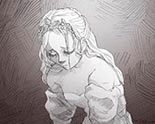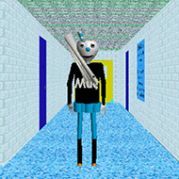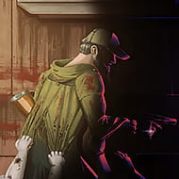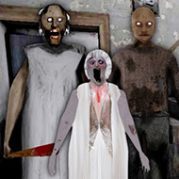










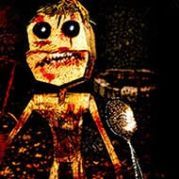
You scrape the last chunk of rubble aside with the rusty spoon, crank the backup generator until the bulbs buzz awake, and hear something shuffle away just beyond the edge of the light. That is the pattern of The Well Is Not Empty: every bit of progress is dug out slowly, and every lit room is only safe for as long as the power lasts.
| Genre | Psychological horror |
| Setting | Tunnels beneath a dried-up well |
| Mode | Single-player |
| Main tools | Rusty spoon and hand-crank generators |
| Main goal | Find out why the well ran dry |
The story starts with a simple village problem. The well has gone dry, something was heard moving down there, and you are the one chosen to tie a rope around your waist and climb in. What begins as a chore turns strange fast, because at the bottom you find tunnels and the remains of an abandoned prison construction site that should not exist.
Nobody is there, at least at first.
The opening minutes are quiet and almost curious, which makes the first real encounter hit harder. Horror fans who enjoy slow dread usually love this pacing, while players expecting early scares sometimes feel the descent takes a while to show its teeth.
Digging is literal. Tunnels are blocked by rubble, and your main tool for clearing it is a rusty spoon, which is exactly as slow and absurd as it sounds. The spoon also doubles as a weapon against the small underground pests, but it offers no real protection against the larger creatures.
That slowness is deliberate. The time spent scraping at rubble is time you are exposed, and the game uses it to build tension as sounds creep closer.
A common mistake is digging in the dark. Clearing rubble while a room is unlit leaves you vulnerable, so experienced players only commit to long digging sessions when a generator is running nearby.
The creatures fear light, and the backup hand-crank generators are how you bring it. Cranking a generator lights up the surrounding rooms for a while, buying enough time to cross a den or dig through a blockage. When the power runs out, the dark rushes back and so do they.
Once you reach the deeper tunnels, generators become rarer, and that is where the real test begins. Players who relied on light for every step have to switch to hiding and sneaking almost overnight.
Cranking also means standing still in the open for a moment, which makes the position you crank from important. Veterans pick spots where they can watch the entrances rather than turning their back to a dark doorway.
You cannot fight the creatures. If they see you, the only answer is to run, and running in narrow tunnels rarely goes well. That makes hiding and patience the core survival skills once the lights fade.
Listening matters more than looking. Movement sounds carry through the tunnels, and learning to read them is the difference between slipping past and being chased back into a dead end.
Stealth-horror fans find this stretch the most rewarding, while players who prefer combat tend to feel helpless in a way that the game clearly intends. That helplessness is exactly what the abrasive tone is going for.
The deeper you go, the less the place looks like a construction site. Remnants of a ritual start appearing, hints that someone built this prison for something other than people, and the question of who was down here before you becomes the main hook.
The story is told through places rather than long conversations.
Lore hunters comb every corner for clues, and discussion threads already piece together theories about what the prison was meant to hold. The game rewards that attention, since small environmental details often explain what the creatures are guarding.
Fresh arrivals at the bottom of the rope usually share a few worries. Nearly all of them come back to light and patience.
The Well Is Not Empty is about managing light and nerve: dig with the rusty spoon only while a generator is running, move before the bulbs die, and follow the ritual traces through the abandoned prison to learn why the well ran dry. The village above may want water, but the answers waiting at the bottom are far stranger.