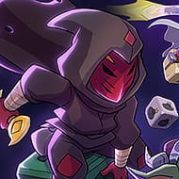
You fling a die across the battlefield, it clacks into another with the same value, they fuse into a bigger die, and that new die rolls off looking for its own match while enemies crumble in the chain reaction. That is the satisfying core of Rune Dice, a physics-based deckbuilding roguelite where every throw can set up a combo or waste a turn. Pick a hero class, collect dice, relics, and runes, and try to reach the boss with a build that snowballs.
| Genre |
Physics dice roguelite, deckbuilding |
| Platform |
PC |
| Hero classes |
8 unique classes |
| Build pieces |
Dice, relics, runes |
How Merging Works in Rune Dice
Matching values fuse into a single stronger die, and that fused die actively seeks equals on the field. One good throw can trigger several merges in a row, wiping out entire enemy waves. The physics are real, so angle and force both decide where dice land.
Beginners throw hard every time, scattering dice across the board and missing merges. Softer throws that land near existing dice of the same value produce far more chains.
Players who enjoy physics puzzles will love planning throws two or three moves ahead, since a well-placed die can set up the next turn’s combo.
Relics, Runes, and Altars
Relics provide permanent enhancements for the run, and upgraded tier II versions replace the base relic if you already hold it. Runes are tactical tools you drag onto the field during combat, like the Relief Rune that removes a random negative effect from your hero.
- End Game Coins turns every die left in the queue after combat into a coin.
- End Game Healer heals your hero for each leftover die instead.
- Altars let you risk dice for upgrades or skip them to play safe.
Choosing between those two end-of-combat relics depends on your class and how often your health is under pressure. Aggressive builds that end fights quickly leave more dice in the queue, which makes either relic stronger.
New relics and runes unlock through play, so early runs feel limited. The community term Rune Dicers gets used for regulars who have unlocked tier III relics and know which combinations break the late floors.
Hero Classes and Difficulty in Rune Dice
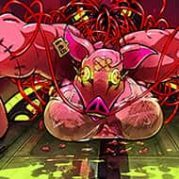
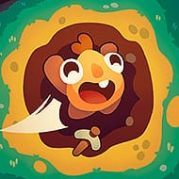
Eight classes each bring special dice and abilities, and switching class changes how you approach merges completely. Early fights are forgiving, but bosses demand builds that can merge reliably under pressure.
The honest criticism is randomness. Explosions can knock dice around unpredictably, and some players feel runs are lost to physics rather than decisions. Recent patches fixed dice falling off the bottom of the screen, but the chaos remains part of the design.
Strategy fans who like tight control may find this frustrating, while players who enjoy wild chain reactions consider it the best part of the game.
- How do dice merges work? Dice with matching values fuse into a single stronger die when they touch. The new die moves toward others of the same value, which can trigger long chain combos across the field.
- How do you use runes during combat? Drag a rune onto the battlefield while a fight is active. Runes like the Relief Rune give immediate tactical effects, such as removing a negative status from your hero.
- Should you risk dice at altars? Only if your build can survive losing a piece. Altars can upgrade dice significantly, but cautious runs that grow steadily often reach bosses in better shape.
Rune Dice turns every throw into a small physics gamble, where merging values, the right End Game Coins or End Game Healer relic, and a well-timed Relief Rune can carry a run through its toughest boss. Throw softly, plan ahead, and enjoy the chain reactions.