You open a note in Parasomnia: No REM and the words slide apart into shapes that refuse to become letters, so you close your eyes and the page reads clean for a moment. That small trick is the entire logic of the game, a first-person horror story built around sleepwalking and a mind that cannot be trusted.
| Genre | First-person psychological horror |
| Protagonist | Levi, an insomniac who sleepwalks |
| Core mechanic | Close Eyes |
| Setting | The waking world and the No REM state |
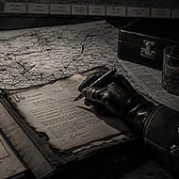
Unreadable text. Once Levi’s first sleepwalking episode begins, notes and labels dissolve into noise, so the clue you need sits in plain sight and stays useless. The No REM state is based on a real stage of sleep linked to sleepwalking, and it treats reading as something you have to earn back.
Distorted images. Photographs and pictures warp in the No REM state, which makes faces and objects change meaning from one glance to the next. A picture you trusted in the waking world can point somewhere else entirely once the dream rules take over.
No running. Levi cannot run and has no control over his surroundings, so speed never solves a problem. The pursuers that embody his trauma approach the moment your attention drifts, and that is why the horror feels like a matter of awareness rather than reflexes.
Close Eyes is the answer to everything the No REM state takes away. Use it and Levi briefly reconnects with his waking body, which lets you read text, recognize images, and reveal hidden clues the dream hides. The mechanic sounds tiny on paper, but it turns every room into a question about when to look and when to shut your eyes.
Puzzles in this game are not abstract objects. Each one is a fragmented memory, and completing it reveals another piece of what Levi tried to forget about the day his family disappeared. A solved puzzle therefore feels like evidence rather than a reward.
The design has a cost as well. Closing your eyes trades one kind of information for another, so every useful look at a hidden clue is also a gamble about what is happening around you. Horror fans who dislike constant jump scares will appreciate that the threat comes from your own perception being part of the problem.
The waking world in Parasomnia: No REM centers on Levi’s home, an ordinary-looking space that becomes the puzzle board once the No REM state takes over. Documents, photographs, and everyday objects carry the clues, and they change meaning depending on which of the two interconnected worlds you are standing in.
One preview noted that opening and closing doors can feel more like a chore than a mechanic, and the opening stretch moves slowly while it feeds you details about the family’s disappearance ten years earlier. Patient players will read that pace as tension building, while anyone expecting immediate action may lose interest before the dream state arrives.
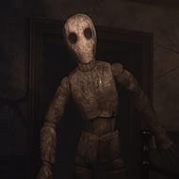
Puzzle lovers will enjoy how the two worlds feed each other, because an object in the waking world and its twisted counterpart in the No REM state are two halves of the same problem. One player called the puppet in the demo unnervingly creepy, and that kind of small, specific image is where the horror lives.
The strongest idea is the commitment to sleepwalking as a mechanical theme rather than a backdrop. Two states, one body, and a single eye-closing action give every scene a clear rule set, and the puzzles never feel detached from the story of Levi’s missing family.
The content is not for everyone. Part of the story focuses on the consequences of taking sleeping pills, and the developers themselves advise player discretion. Anyone sensitive to that subject should check the content description before starting.
Controls have also been refined, with character movement and camera rotation reworked for a smoother, more natural feel and extra attention paid to Close Eyes. The latest demo runs around 10 to 15 minutes, a short, focused slice that shows how the two states interact without spoiling what Levi uncovers.
Parasomnia: No REM works because every system points back to Levi: the unreadable pages of the No REM state, the Close Eyes glance that rescues a clue, and the memories that return one solved puzzle at a time. Anyone who wants horror built from perception rather than shock will find a specific kind of dread here, one that follows you from the waking world into the dream and back.