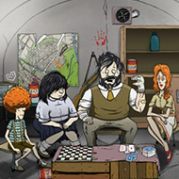
In Shutter Story you start at an old computer with a glossy early-2000s desktop, a program called SpectralAware 2.1 and a stack of Eli’s family photos, and that quiet setup matters because nothing in the house seems wrong until you start turning the dials. Eli believes his family is haunted, and you are the friend with enough editing skill to prove or disprove it.
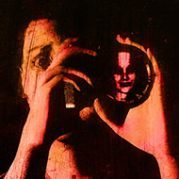
Most of the game happens at that desk. You open an image, push exposure up, pull contrast down, strip away noise or apply a filter, and a corner that looked like plain shadow may suddenly show a shape. The Frutiger Aero style of the desktop, with bubbly icons and bright gradients, makes the dark discoveries feel even stranger.
Every finding has to be filed using a thick manual of paranormal categories. Apparitions, Simulacra, Strange Lights and Demonic Entities each have definitions, and the difference between a face-like pattern and a real presence is the sort of judgment call the game keeps testing.
The full release promises more than 80 photos and video clips. Spread across generations of one family, they slowly piece together a history Eli himself does not fully know.
Between analysis sessions the game moves into first-person sections inside the house. Rooms you studied in old photographs become places you walk through, and the gap between what the camera caught years ago and what stands there now is where much of the dread lives.
Your classifications carry weight. Filing something incorrectly has consequences for Eli and his family, which turns a sorting task into a moral one: a careless guess is not just a lost point, it changes what happens to people you are trying to help.
Players who enjoy found-footage storytelling often say this mix of desk work and walking is what makes the experience feel personal rather than like a quiz.
The game is upfront about mature themes, warning of gore, mutilation, ghosts and references to suicide. It is not a gentle ghost story, and players looking for something cozy should be aware before starting.
Pacing is the other point people debate. Careful analysis takes time, and anyone expecting chases will find long stretches of quiet desk work. Fans of investigation games call that patience the whole point, while others wish for more action between discoveries.
The single most useful habit is comparison. When the same hallway or staircase shows up in photos from different years, laying them side by side often reveals the detail that one image alone hides, and that detail is usually what the manual is asking you to name.
Shutter Story turns old family albums into a slow, uneasy investigation: SpectralAware 2.1 reveals what the camera saw, the manual decides what it means and Eli’s family lives with every call you make.