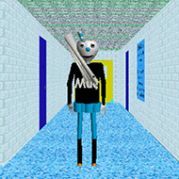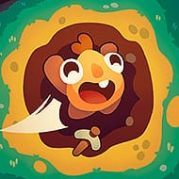





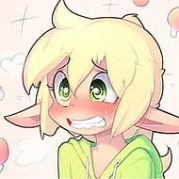
Max The Elf looks like a bright, cartoony platformer, but it plays like an arcade action game that expects careful timing and is made strictly for adult players. The colorful forest and the cheerful lead character are misleading, because the real work happens in spacing, jump distance, and knowing when to strike. This game carries mature themes and is intended for players aged 18 and over.
| Genre | Side-scrolling action platformer |
| Audience | Adults only (18+) |
| View | 2D side view |
| Stage layout | Linear, left to right |
| Hazards | Spikes, pits, moving platforms |
| Safety net | Checkpoints within stages |
Every stage is a horizontal path, and the goal is to get Max from the start to the end while dealing with whatever the level throws at him. Enemies are placed to interrupt your forward movement, so you rarely get a long stretch without having to react. Early in the game the Enchanted Forest sets the tone, with open ground that gives you room to learn how far a jump actually carries.
Beginners tend to run at full pace and treat enemies as obstacles to bump past. That approach falls apart quickly, because enemies either patrol a fixed area or head straight for you, and both patterns punish a careless entrance. Slowing down for one screen at a time and watching how an enemy moves before you step into its range solves most early problems.
Once you reach the Mystic Desert, the pacing changes. Platform spacing narrows and enemy placement gets tighter, so the same habits that worked in the forest start to cost health. Platformer purists usually enjoy this shift, since the game starts asking for precision instead of just forward momentum.
The environment is as dangerous as the enemies. Hazards are placed deliberately along each stage, and a mistimed jump is just as likely to end a run as a bad fight.
Moving platforms are the trickiest of the three, because they combine a jump with a timing window you cannot control. The trick is to wait for the platform to reach you instead of leaping toward it, which feels slow at first but produces far fewer falls.
The special attack on the E key clears the screen, and in early builds it is reported to be limited to three uses per stage. Cautious players who hold it for the busiest section of a level usually find the later stages much more manageable than those who spend it early.
Stages are divided into segments, and checkpoints let you resume after a failure instead of starting the entire level over. That keeps the difficulty fair, because a single mistake in the last section does not erase everything you cleared before it. A short portal ride at the end of a stage carries you on to the next area.
Some sections also include branching paths that lead to optional routes. Players who like to explore will want to check them, since leaving the main line is often where the most interesting parts of a level hide. Those who just want to finish a stage can stay on the direct path without missing the basics.
Retrying is fast, which suits the arcade rhythm of the game. A failed section costs you a few attempts, not a long walk back, and that fast loop is a big reason players keep going when a stretch of the Mystic Desert refuses to cooperate.
The loudest debate is about content. The mature material is the main draw for some players and a distraction for others, which is why the game is clearly labeled for adults only. Whatever your view, it is not a title for younger audiences.
Builds are the second talking point. Different pages host different versions, and the number of playable stages and the controls can vary. Dreams of Desire, the third named level, is a good example of an area some builds include and others do not, so your experience depends partly on where you play it. Development notes also mention a boss fight with a character called Fae planned for a later stage.
The jump feel is the third issue. Early impressions describe it as slightly unresponsive, and players who come from tighter platformers notice it right away. The common fix is to start jumps a fraction earlier and avoid last-second corrections.
Max The Elf rewards players who slow down, read each segment, and save the special attack for the screen that truly needs it. Start in the Enchanted Forest, learn how far Max jumps, and the tighter spacing of the Mystic Desert and Dreams of Desire becomes a fair test instead of a surprise.